
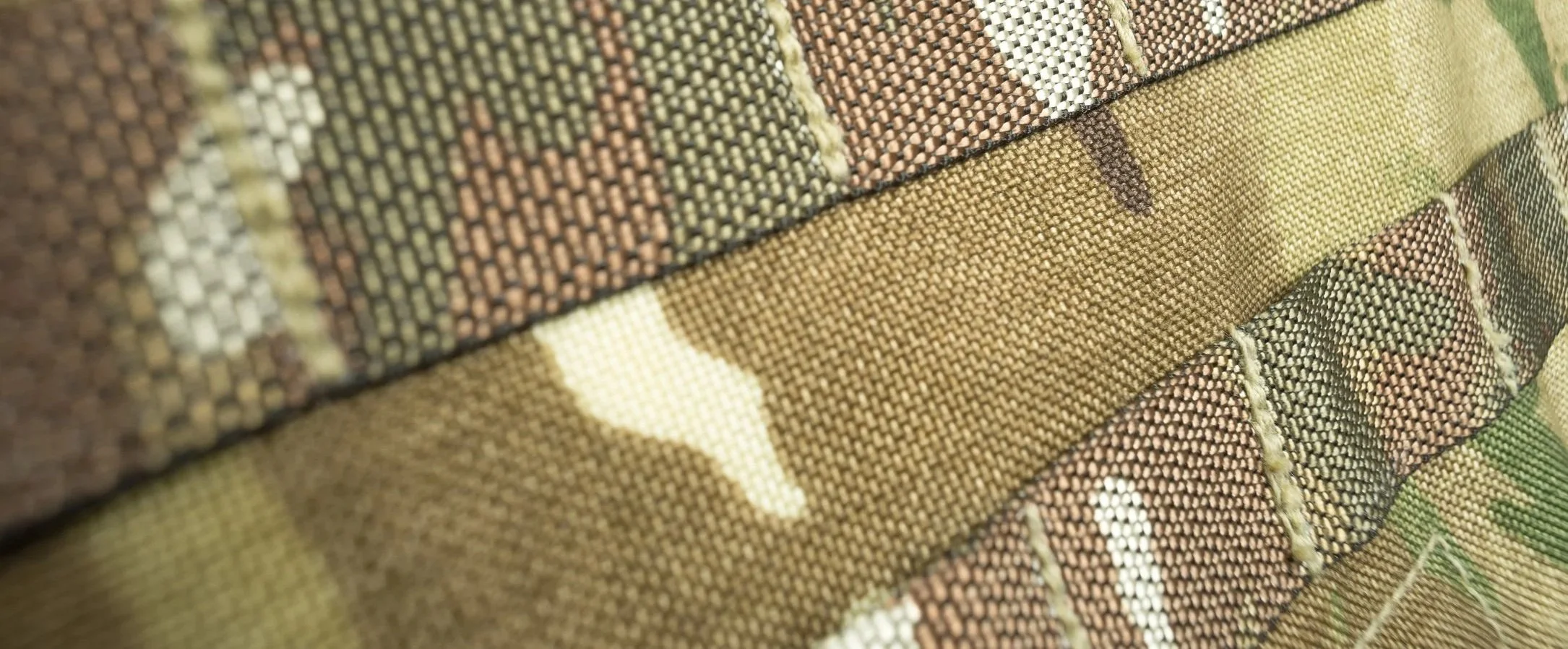
British MTP Camouflage
From Forces to Sustainable Fashion
How the versatile and dependable Multi-Terrain Pattern became the standard-issue camouflage for the British Armed Forces – and why it now has a future in sustainable fashion.
British military uniforms are built to hold up in some of the world's toughest environments. When those uniforms eventually leave service – through damage, wear, or simply because designs change – the fabric itself doesn't have to go to waste.
In our History of British DPM Camouflage, we looked at how Disruptive Pattern Material became one of Britain's most recognisable military designs. This is the next chapter: Multi-Terrain Pattern, better known as MTP.
Introduced to British forces in 2010, MTP was the first major change to British military camouflage in over 40 years, replacing the woodland and desert DPM patterns with a single, more adaptable design.
Today, MTP garments that have reached the end of their service life make their way to Ramco (UK) Ltd, the official reseller of surplus military textiles for the Ministry of Defence. Operation Upcycle, powered by Ramco, takes used British military surplus that isn't suitable for resale and gives it a new purpose – working with the UK's next generation of fashion designers to turn these textiles into sustainable fashion, with the stories behind them intact.
What is MTP camouflage?
MTP is the camouflage pattern the British Armed Forces introduced during operations in Afghanistan, developed for landscapes very different from those that shaped earlier British patterns.
Rather than designing for one type of terrain, as DPM had for woodland or desert, the goal was a pattern that could work across a mix of environments. The MoD described the Helmand Province landscape as a patchwork of compounds, grassland, crops and woodland, and extensive testing and computer modelling went into finding colours and shapes suited to that variety.
MTP began arriving in Afghanistan in April 2010, with wider issue following. It was the first change to British military camouflage since DPM entered widespread service in 1968.
From DPM to MTP
DPM had served the British Army for decades, with distinct woodland and desert variants. Its disruptive shapes are still instantly recognisable today. But in Afghanistan, soldiers could move through dramatically different terrain – green agricultural land, dry ground, compounds, scrub, woodland – within a small area, which no single traditional pattern could handle well.
MTP was the answer: earthy greens, browns, tans and lighter tones combined into a pattern built for range rather than for one specific setting.
If you'd like the fuller story, our History of British DPM Camouflage covers the development and legacy of that earlier pattern in more detail.
Why MTP matters beyond the military
Military clothing is built to perform, which is exactly what makes it worth a second look once it's surplus. The fabric, stitching, pockets and fastenings are made for demanding, repeated use – durability that doesn't disappear the moment a uniform leaves service.
That's what makes British Military Surplus more than a source of vintage clothing or memorabilia. It's material that carries the marks of a life spent in service, and we think that's worth respecting and building on. Operation Upcycle gives that surplus a new purpose, creating positive change for both the planet and the Armed Forces community.
MTP and the opportunity for upcycling
Upcycling means seeing potential in material that might otherwise be thrown away. Instead of breaking a garment down into raw fibres or sending it for disposal, we preserve what's already there and build something new from it.
With MTP, that can mean keeping the original camouflage panels, pockets, labels and stitching that give each garment its identity. A repaired seam, a faded patch, an original military label – these aren't flaws to hide. They're part of what makes the material worth using.
The fabric already exists, the manufacturing has already happened, and the garment has already had a life. Upcycling is about deciding what it does next.
From service to sustainable fashion
The fashion industry has a real waste problem – around 711,000 tonnes of post-consumer textiles are discarded in the UK every year (WRAP, Textiles Pact). Designing better garments from the outset is one response. Another is making better use of what's already in circulation.
Military surplus is a good fit for that second approach. Rather than manufacturing new camouflage-inspired fabric, designers can work with authentic surplus that already has a history behind it – retaining the value already built into the original garment, from the material itself to the skills that went into making it.
Designing with history
MTP is instantly recognisable as military camouflage, but once it's removed from its original context, it can take on a different character entirely. A pocket becomes a design feature – as it has on our tote bag. A sleeve becomes a panel. A worn section becomes the detail that makes a piece one-of-a-kind.
Working with an existing military garment means starting from what's already there: the size, the seams, the pockets, the fading, the construction. Those constraints tend to produce the most interesting design decisions, not the most limiting ones.
Preserving the story of British Military Surplus
These garments are part of British military history, and that history doesn't need to end when a uniform is no longer required. Like DPM before it, MTP has been worn by generations of service personnel, and each uniform reflects a specific period in that evolution. When a uniform is upcycled, elements of that original identity can stay visible in the finished piece.
We're not trying to recreate the look of military clothing. We're interested in what happens when genuine surplus is treated as something worth keeping, using and passing on.
A new life for MTP
The move from DPM to MTP happened out of military necessity. What happens to the surplus afterward is a different question – one for designers, students, manufacturers and organisations to answer in their own way, garment by garment. Some pieces will lean on the original construction; others will use it as a starting point for something else entirely. There's no single right approach, and that's part of what makes this work interesting.
British military garments were built to last, and their second life can be about more than nostalgia. Through Operation Upcycle, we're giving surplus uniforms that can't be resold another purpose – working with the next generation of designers to turn them into something new, while keeping their story and original purpose in view.
Discover the story behind DPM
Want to explore where this story began? Read our History of British DPM Camouflage and discover how one of Britain's most iconic military patterns went from service uniform to a new life in sustainable fashion.
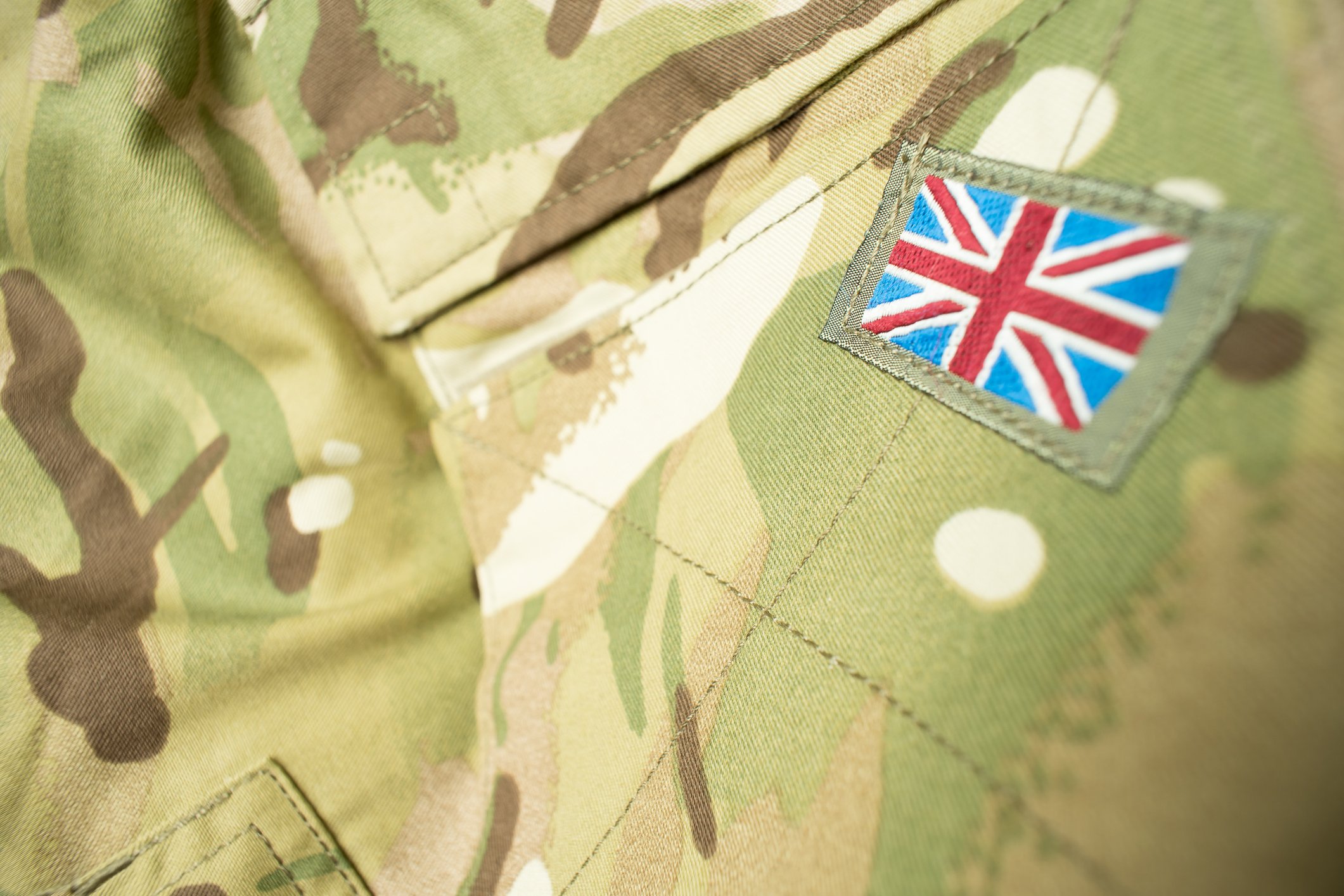
British MTP Camouflage
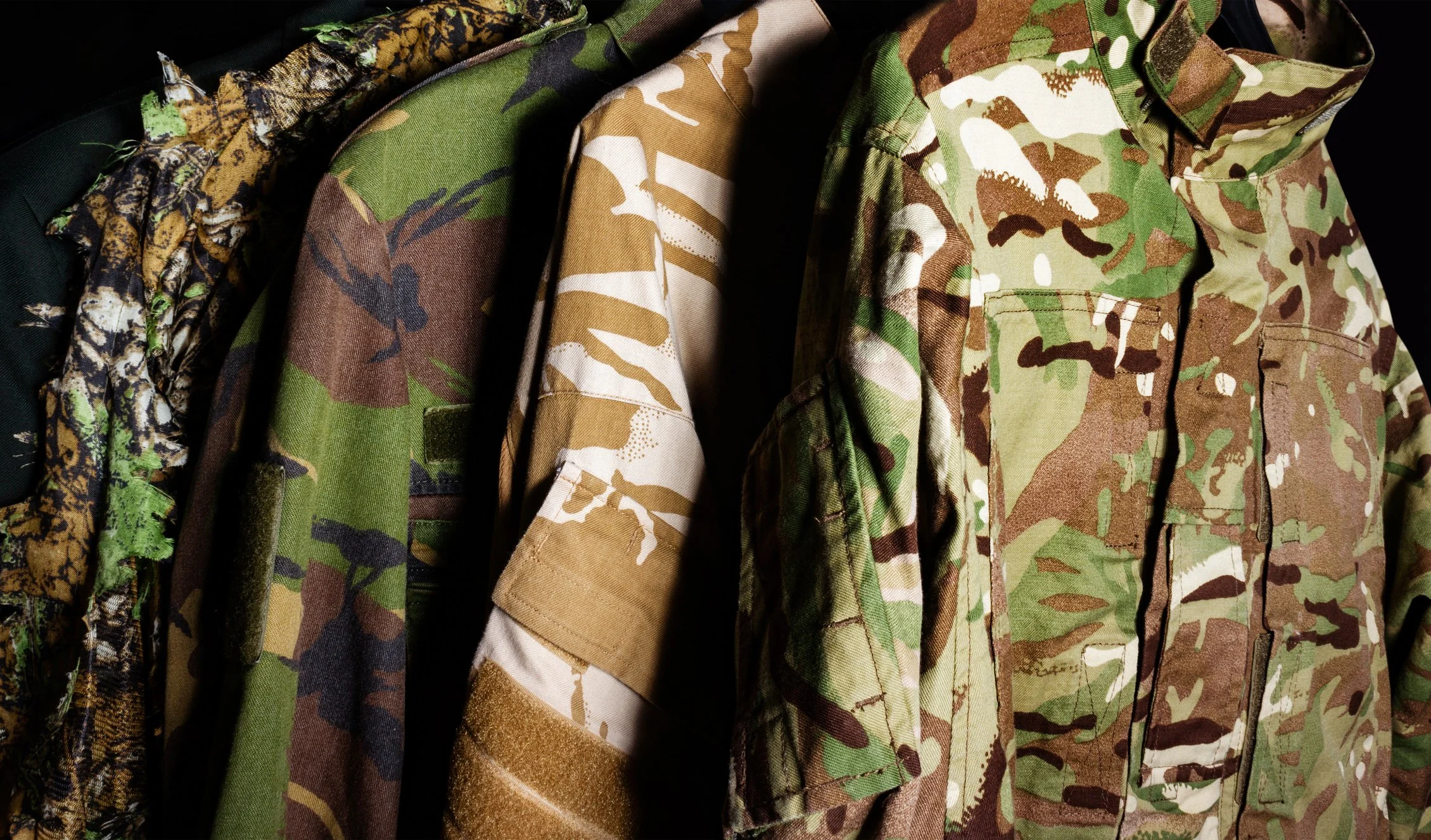
Variants of British DPM camouflage uniforms
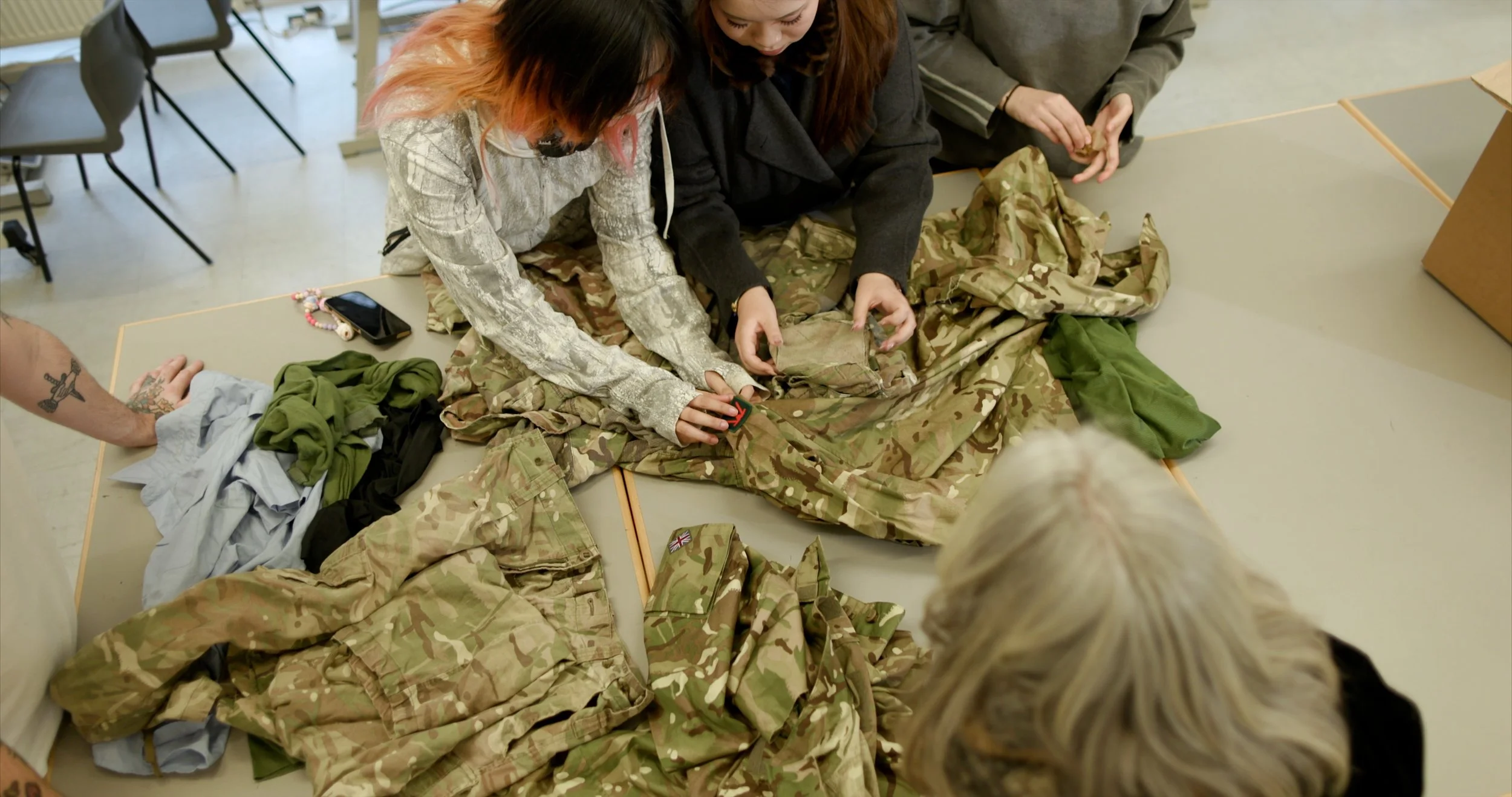
University students assessing MTP camouflage for upcycling
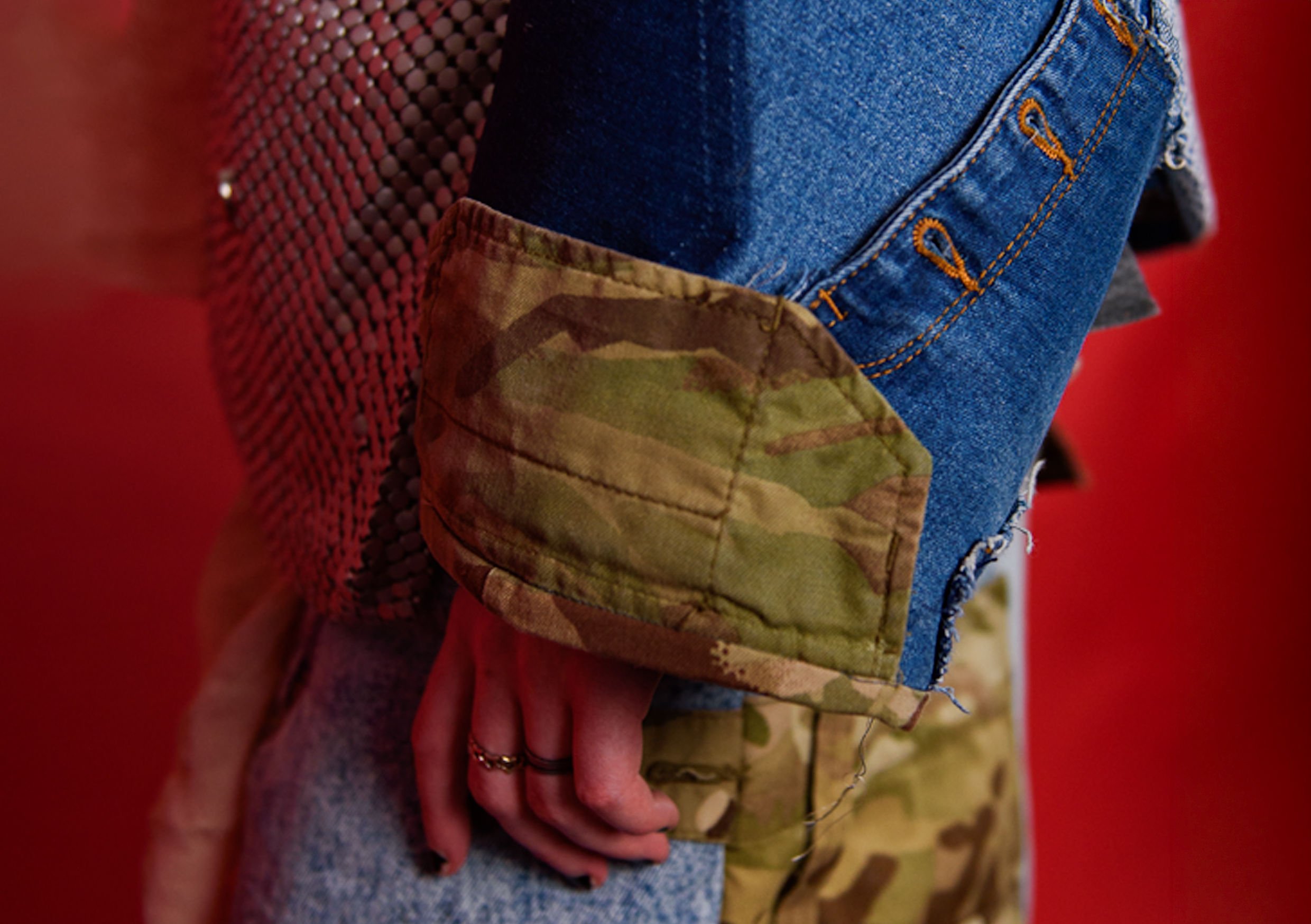
MTP camouflage upcycled into sustainable fashion garments by Liza Dawson from Boston College
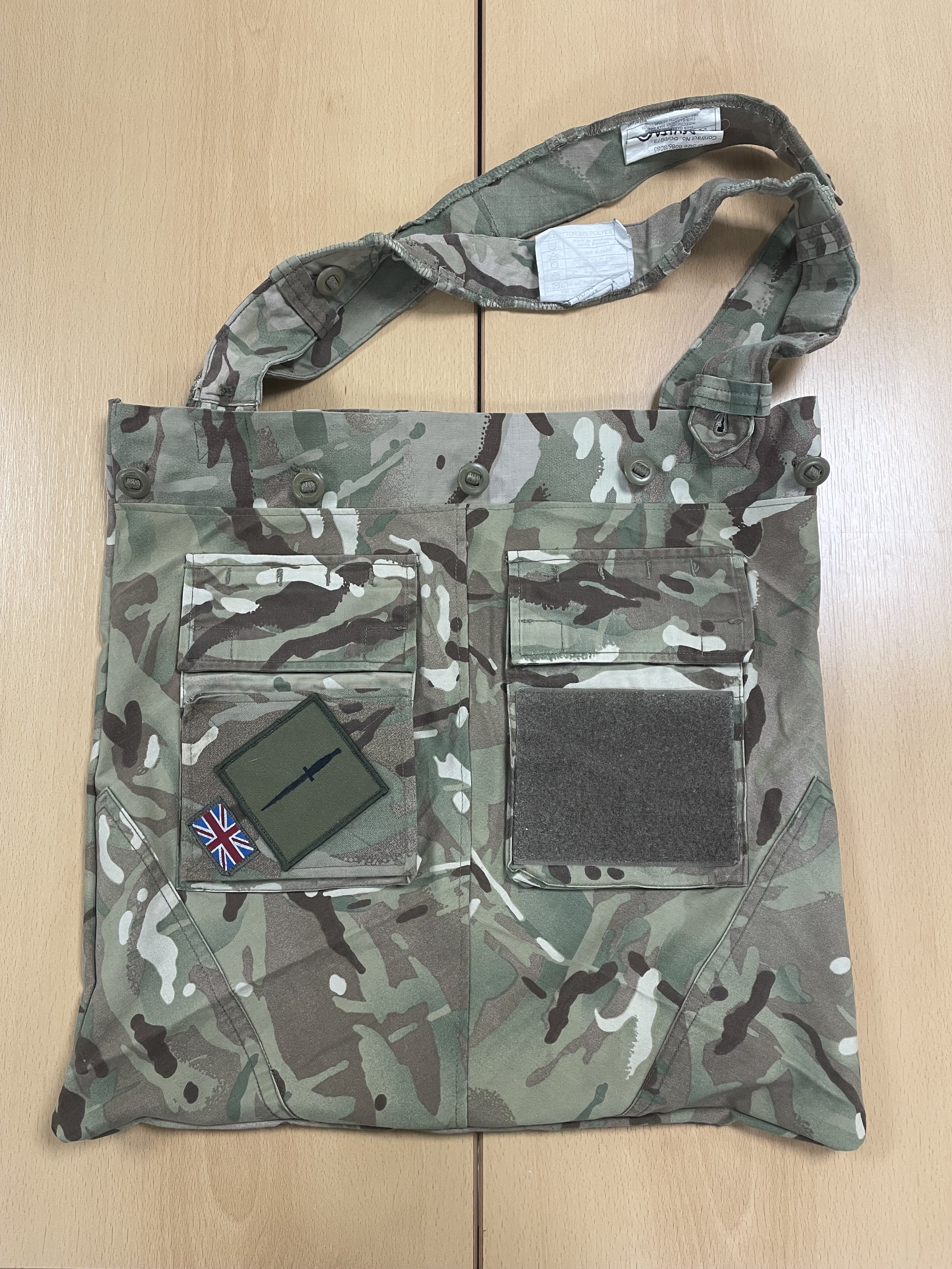
MTP camouflage uniform upcycled into a tote bag by OpUp’s Project Lead, Harriet Sanderson
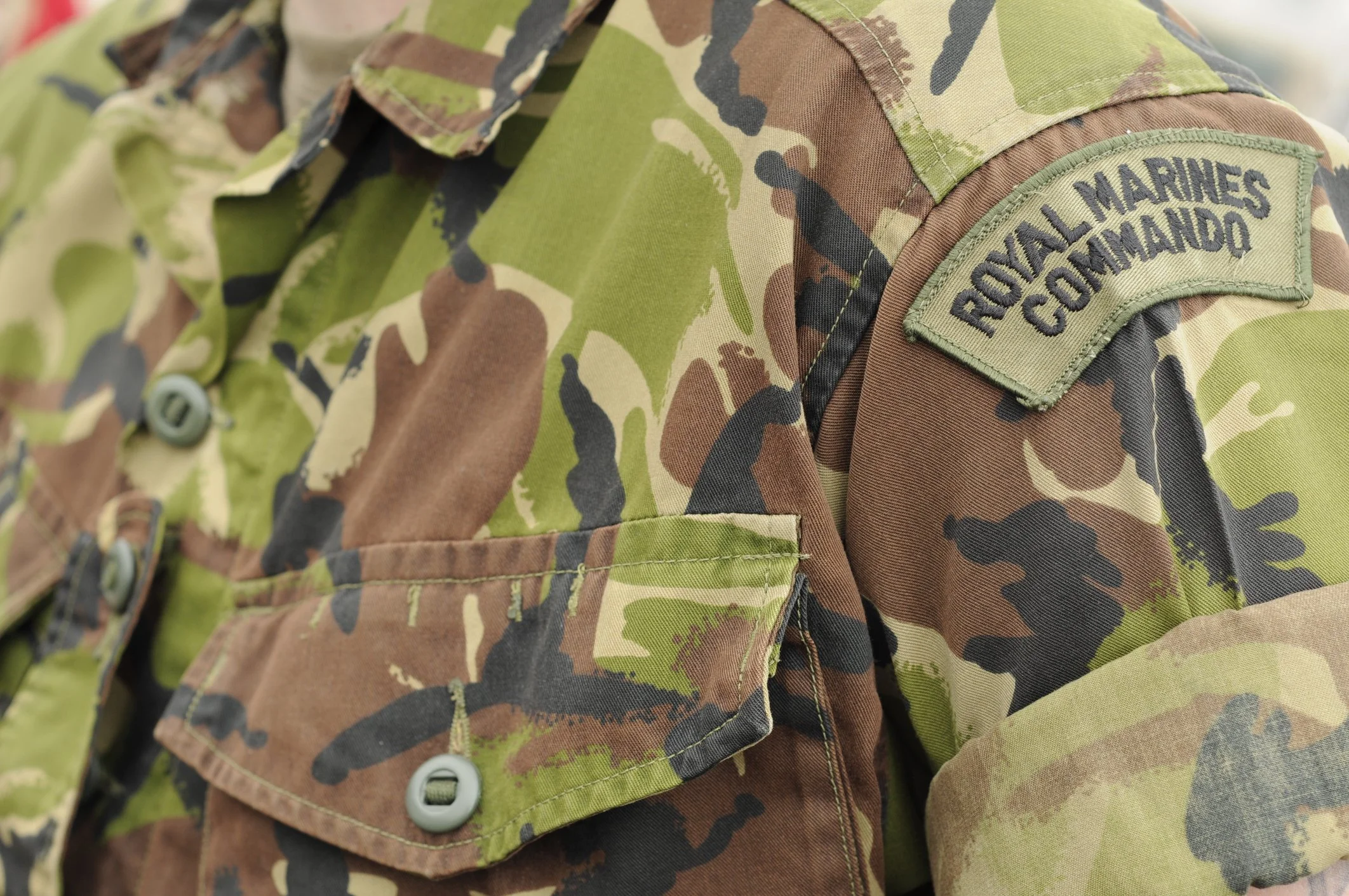
A DPM camouflage Royal Marines Commando uniform
About Operation Upcycle
Operation Upcycle is a national initiative transforming surplus military textiles into sustainable, contemporary fashion with purpose. Powered by Ramco, the initiative brings together military surplus, designers, students, manufacturers and community partners to explore how authentic military textiles can be reused, remanufactured and transformed — reducing waste while preserving the history and value in every garment.