
Giving Old Clothes a Second Life
Upcycling Fashion Ideas
Every garment has a story. When clothing becomes damaged, dated or unsuitable for its original purpose, that story does not have to end. With a little imagination, unwanted fabric can become something useful, distinctive and entirely new.
In this blog, we break down what upcycling is, why it’s worth your time, and share 12 inspiring ideas to kickstart your next fashion project, whether you’re a complete beginner or a seasoned fashion upcycler after some fresh ideas.
What is upcycling?
Upcycling is a form of recycling that involves reusing old or unnecessary items, giving them a new function or value. It is the process of transforming materials, often damaged or no longer in use, into new products.
Upcycling clothing is a great way to give a second life to old clothes and textiles. Unlike conventional recycling, which often breaks materials down, textile upcycling works with what already exists, preserving fabric, fastenings, pockets and other useful details.
From simple repairs to complete redesigns, upcycled clothing can reduce waste while crating individual pieces that are unique to you. It offers an accessible way to explore recycling and upcycling fashion, whether you are an experienced sewer or trying your first project.
Why upcycle clothing?
Upcycling clothing is a great way to turn existing fabrics and textiles into something new! Buying fabric can be expensive, so if you’re just starting out, it might not be the best idea to start chopping away at costly material if you don’t know what you’re doing.
Upcycled fashion is a great way to be sustainable, and in 2026, a growing number of top designers and brands are specialising in upcycled clothing, helping to reshape how the fashion industry is perceived.
Upcycling has a range of benefits, such as:
Supporting textile sustainability
Making better use of existing resources
Repairing and preserving your favourite garments
Encouraging creativity and practical skills
Creating personalised pieces at a lower cost
Retaining the character and history of unusual materials
Twelve upcycling fashion ideas
1. Transform military surplus into everyday fashion
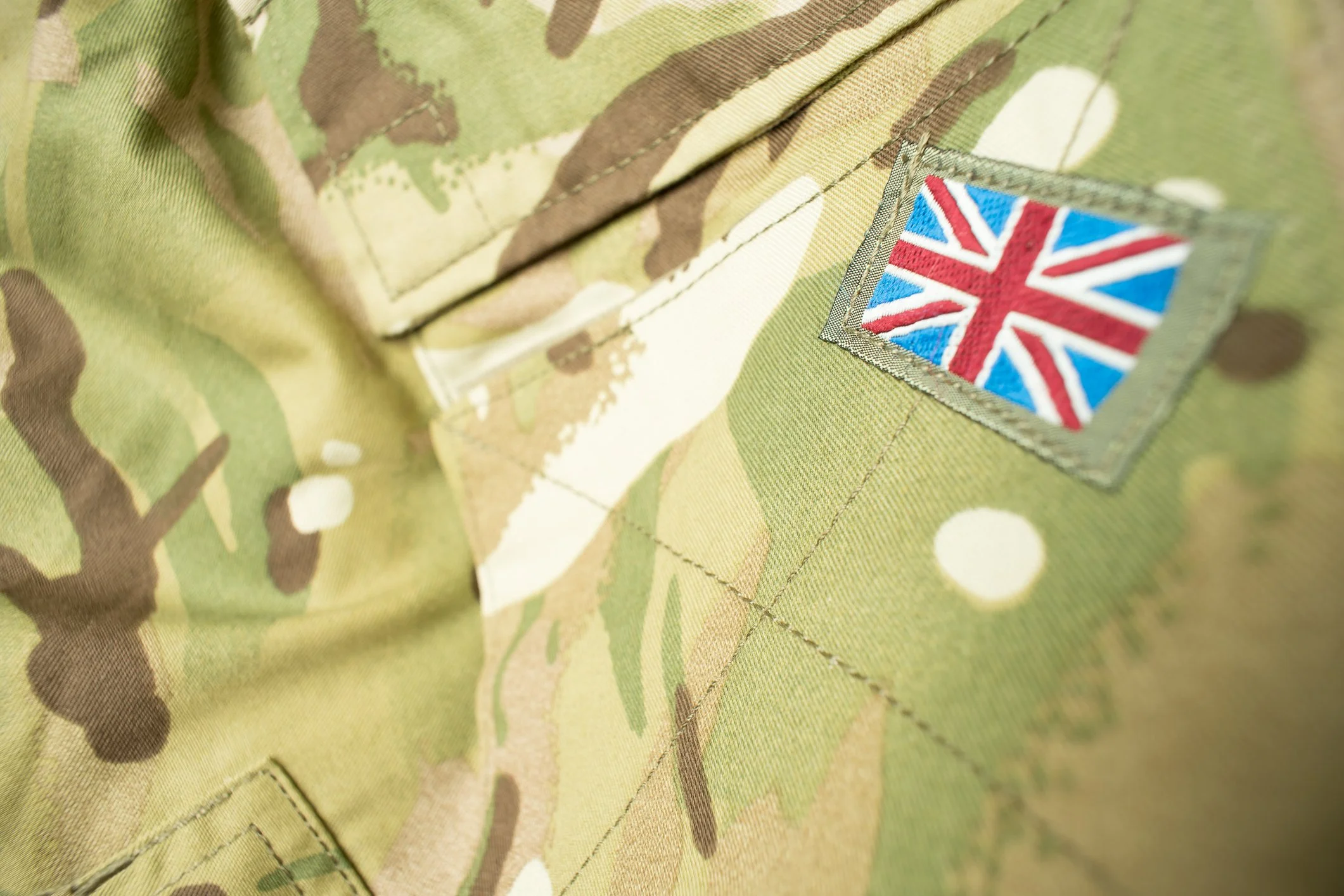
Design and create fashionable garments using surplus military garments including jackets, shirts and trousers. From adding patches to taking apart the whole piece and turning it into something brand new, there’s a wide range of creative alterations you could make to military textiles.
Military surplus clothing is made for durability and practicality, making it well suited for creative reuse. For an upcycled military jacket, try adding contrasting patches, replacing buttons or adjusting the fit. Always inspect garments carefully and wash them according to their care instructions before beginning.
Here at Operation Upcycle, this is exactly what we do. We specialise in creating upcycled clothing from jackets, shirts and trousers, transforming surplus military garments into fashionable new pieces while preserving the story behind each uniform.
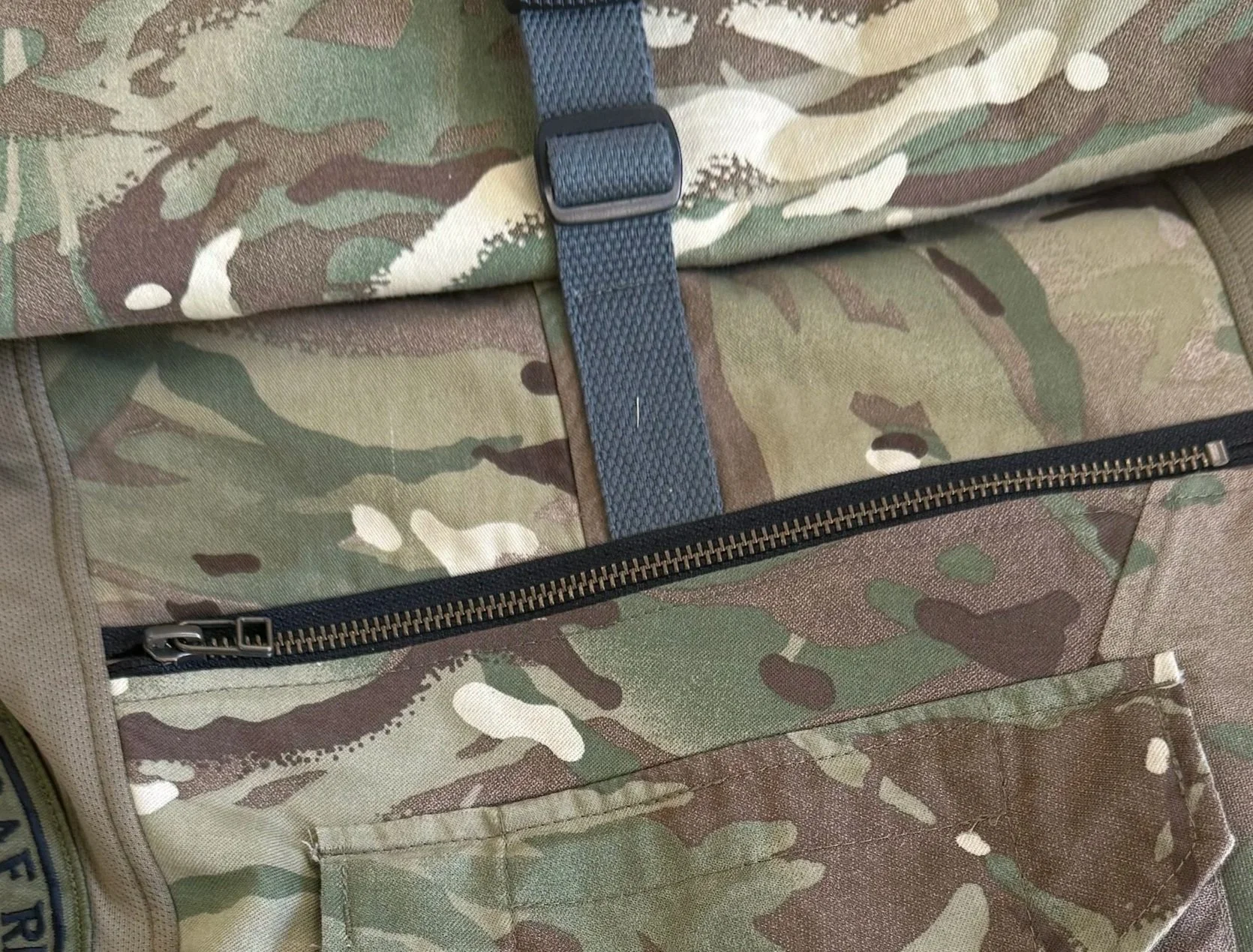
9. Turn military canvas into a hard-wearing bag
Military canvas is durable and full of character. Larger sections can become upcycled military canvas bags, tote bags or rucksacks, while webbing, straps, buckles, and pockets can be retained as functional details.
Making upcycled military bags may require a heavy-duty needle and strong thread. Beginners could start with a simple unlined tote before progressing to zipped or structured designs. Operation Upcycle has developed examples including tote bags, crossbody bags, and roll-top backpacks.
2. Try a charity shop “thrift flip”
Charity shops are full of potential upcycling fashion projects. An oversized shirt could be cropped or tailored, while a dated dress can be modernised with a shorter hem, new sleeves or replacement buttons. Look beyond the original style and consider the fabric’s potential.
3. Give old bed sheets a wearable future
Old bed sheets provide plenty of lightweight fabric for a new project. Depending on their condition and pattern, they can become summer tops, dresses, pyjama bottoms, aprons or tote bags. Remember to wash them first and avoid any worn or thinning areas.
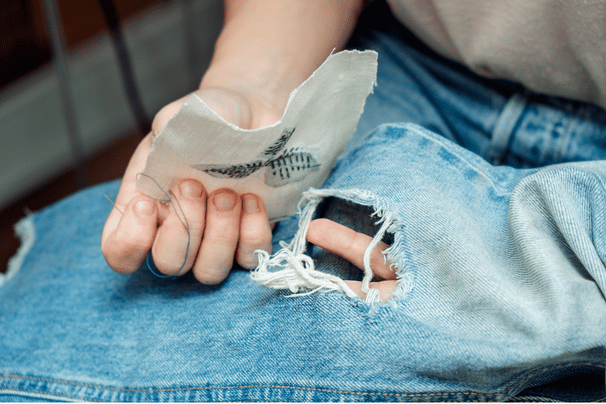
4. Use visible mending and embroidery
A small hole or stain does not have to mean the end of a garment. Decorative darning, colourful embroidery and fabric patches can strengthen damaged areas while adding character. Rather than concealing the repair, make it part of the design.
5. Convert worn trousers into something new
Turn trousers with damaged knees or hems into shorts, a skirt or a bag. Pockets, belt loops, zips and sturdy fabric can all be reused, so examine the garment carefully before cutting and preserve its most practical features.
6. Refresh faded garment with dye
Fabric dye can revive faded clothing or give light-coloured garments a completely different look. Try block-dyeing, tie-dye or dip-dye effects, but check the care label first because natural and synthetic fibres may require different products and methods.
7. Make reusable household cloths
Soft cotton t-shirts, shirts and pyjamas can become cleaning cloths, napkins or reusable kitchen roll. Cut the fabric into evenly sized pieces and finish the edges to reduce fraying. It is a simple beginner project that makes use of material unsuitable for clothing and makes your home a greener space.
8. Create practical accessories from offcuts
Save smaller scraps of fabric left over from other projects and turn them into scrunchies, headbands, rosettes, keyrings of fabric brooches. Combining different colours and textures produces distinctive accessories while ensuring that very little fabric is wasted.
10. Combine several garments into one statement piece
Patchwork is an effective way to use sections from several garments. Similar-weight fabrics can be combined to create a jacket, shirt, overshirt or bag with its own colour palette and story.
Plan the arrangement before sewing, place stronger fabric in high-wear areas and save smaller pieces for pockets or decoration. This approach captures the creativity of recycled upcycled fashion while making use of materials that might otherwise be overlooked.
11. Marketplace Apps
Apps such as Vinted, Depop, Facebook Marketplace and eBay are great for sourcing a wide range of clothing. In 2026, Vinted has over 100 million registered users across 25 markets offering a wide range of upcycled, vintage and brand-new items.
Due to economic pressures and a cultural shift in circular fashion, marketplace apps have played a huge role in changing the way people think about clothing. No longer do people feel obligated to buy brand new items and this is clear with Vinted reporting that 76% of purchases on its platform in 2025 replaced new buys, significantly lowering the demand for new items.
12. Car Boot Sales
And last but not least, car boot sales! When was the last time you visited a car boot sale? Well, car boot sales are still very much alive here in the UK, and they offer a great way to get your hands on some second-hand clothing.
The “second-hand boom” bolstered by platforms such as Vinted and Depop, has helped turn trusty old car boot sales into trendy places drawing in fashion influencers, vintage clothing hunters and people on the lookout for unique second-hand pieces.
Car boot sales are goldmines for upcycling, but the sheer volume of items can be overwhelming so some tips to consider:
Look out for oversized items – great for material volume
Unique details such as vintage buttons, heavy-duty zippers
Garments that may be considered rock bottom because they have a rip, a broken zip or a stain
Being knowledgeable in materials and having patience can ensure you come away with a bargain for your next DIY fashion project!
How to choose the right upcycled fashion project
Some of these projects may seem intimidating if you are new to sewing and upcycling so it’s good to start small. A patch, scrunchie or simple tote bag will help you practise measuring, cutting and stitching before you attempt a complete garment.
Consider:
Condition: Is the fabric strong enough for its new purpose?
Fibre: Does it require a particular needle, thread or dye?
Difficulty: Can you complete the project using your current skills?
Function: Will the finished item be useful and durable?
Character: Are there original pockets, labels or details worth preserving?
Discarded and damaged garments are inexpensive materials on which to learn, giving you more freedom to experiment than rolls of new fabric. A local upcycling workshop can also provide equipment, guidance and inspiration.
Upcycling military textiles: heritage meets creativity
Military clothing is designed to be durable, practical and able to withstand demanding conditions. When these garments are no longer required for their original purpose, their hard-wearing fabrics and functional features can still have plenty of life left in them. Upcycling provides an opportunity to retain this value while reducing the demand for new materials.
As the official Ministry of Defence contractor for the sale of military clothing, Ramco sorts and grades genuine British military surplus for reuse. For garments unsuitable for resale, Ramco created Operation Upcycle, which transforms surplus military textiles into sustainable fashion.
Working with Winchester School of Art, Help for Heroes and other partners, the project combines creative education with environmental and social impact. It preserves the heritage of military clothing while supporting emerging designers and the Armed Forces community.
Conclusion
Upcycling is a practical and affordable creative hobby that can begin with something as simple as sewing on a patch. With each repair or redesign, unwanted clothing gains a second life, and fewer usable materials are wasted.
Whether you transform a charity shop shirt, make a tote from old bedsheets or explore an upcycled fashion DIY project using military surplus, start with the material in front of you and consider what it could become. Sometimes the most interesting designs begin with something others have overlooked.