
How Upcycling Fashion Helps Reduce Textile Waste
Upcycling Fashion Benefits
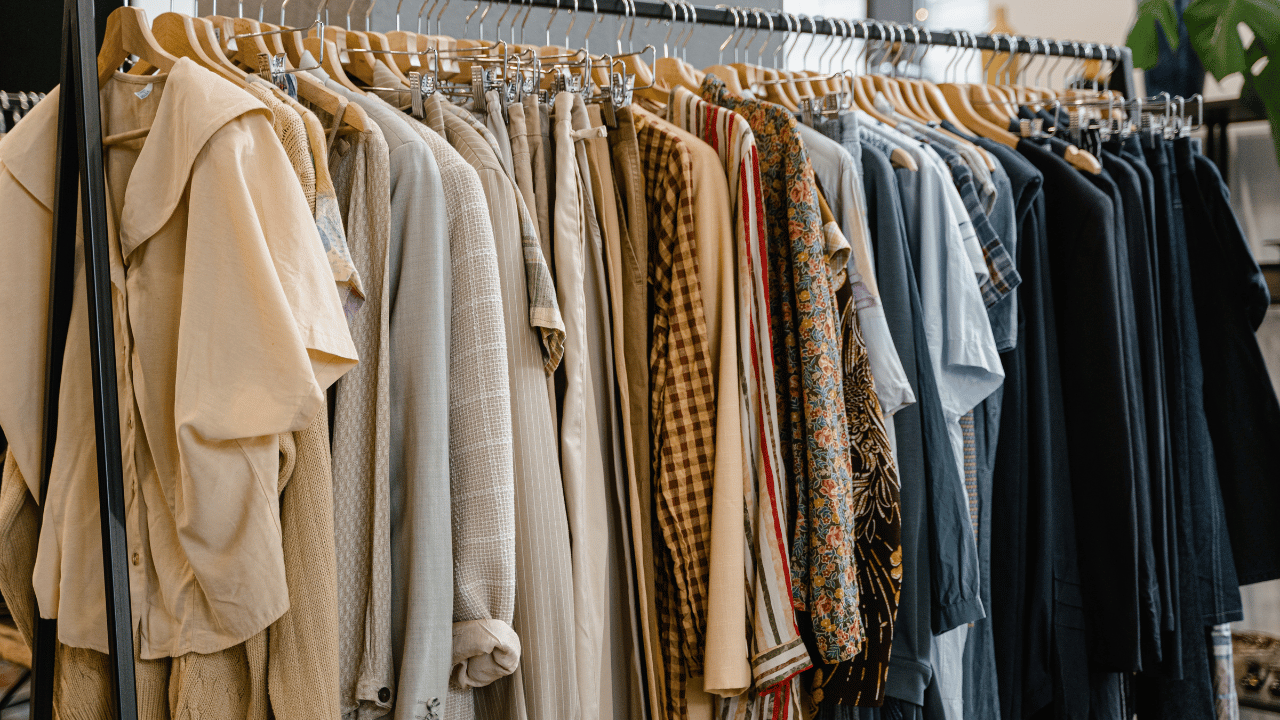
Textile waste is a growing global and local environmental problem. In the UK alone, 300,000 tonnes of used clothing ends up in landfills or incinerated annually (that’s more per person than any other European country).
The clothing production cycle emits huge volumes of carbon which is having a devastating impact on our planet. The fashion industry is one of the world’s most resource-intensive sectors, requiring significant amounts of water, energy, and raw materials to produce new garments. Each stage of the clothing lifecycle, from fibre production and manufacturing to transportation and disposal, has an environmental impact.
As awareness of these issues continues to grow, consumers, brands, and organisations are increasingly looking for more sustainable alternatives to traditional fashion consumption.
One solution gaining momentum is upcycled fashion, which transforms existing textiles into new products and helps reduce the volume of materials entering the waste stream. By extending the life of fabrics and garments, upcycling supports a more circular and responsible approach to fashion.
What is upcycled fashion?
Upcycled fashion is the act of turning pre-loved clothing, deadstock textiles, and scrap materials into unique, wearable pieces instead of sending them to landfill. Unlike recycling, which often involves breaking down fibres through mechanical or chemical processes, upcycling retains much of the original material in its existing form and reimagines it for a new purpose. This helps preserve resources while reducing the energy required to create new products.
Upcycling can take many forms, from repairing and redesigning old garments to combining multiple pieces of clothing into entirely new designs. Many independent designers, social enterprises, and sustainable fashion brands use upcycling to create unique, limited-edition collections while reducing waste.
Because each item is made from existing materials, upcycled fashion can offer consumers distinctive pieces that cannot be mass-produced.
Beyond its environmental benefits, upcycling also encourages greater awareness of how clothes are made and promotes a shift away from the disposable mindset associated with fast fashion.
By valuing existing materials and giving them a second life, upcycling contributes to a more circular fashion system where resources are kept in use for as long as possible.
The environmental benefits of upcycled fashion
Diverts textiles from waste streams
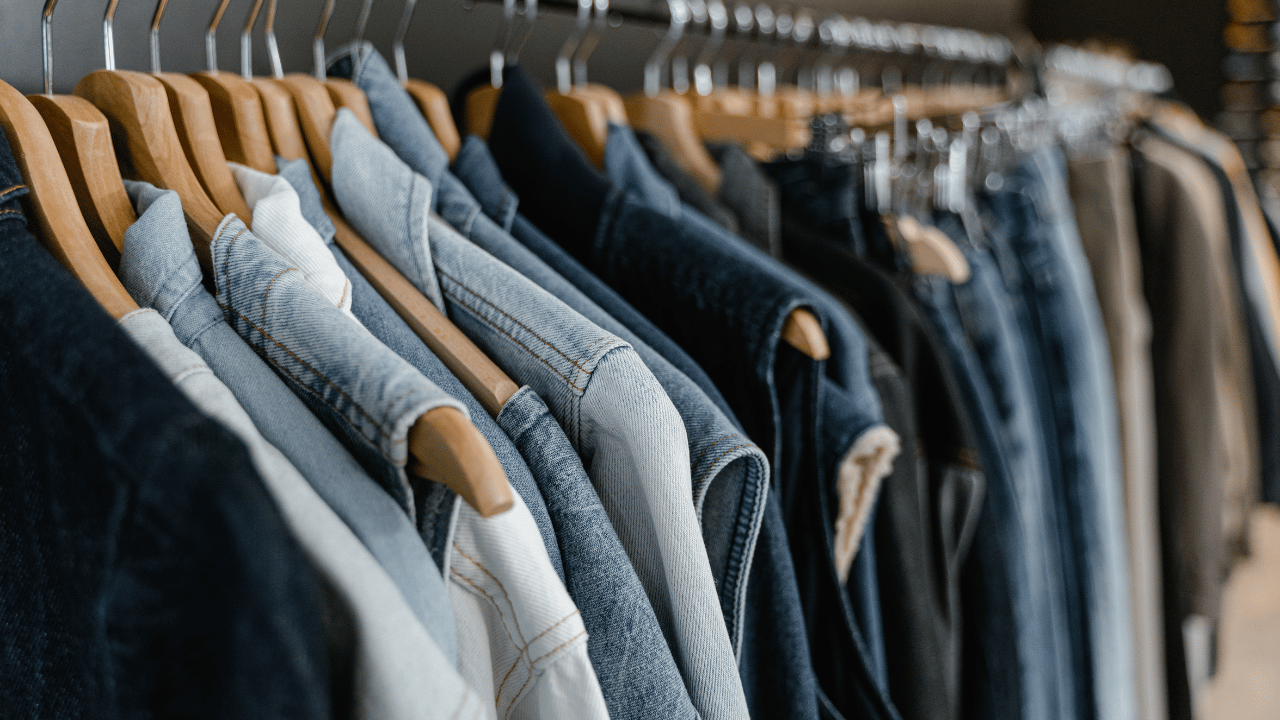
One of the biggest benefits of upcycled fashion is its ability to keep textiles out of landfill and incineration. Many garments are discarded long before the end of their usable life, often due to changing trends or minor damage. Upcycling gives these materials a second life by transforming them into new products, reducing the volume of textile waste entering the UK’s waste stream.
By extending the lifespan of existing materials, fewer resources are wasted and less environmental harm is created.
Reduces demand for virgin materials
Producing new clothing requires significant quantities of raw materials, water and energy. By using existing fabrics and garments, upcycling reduces the need for virgin fibres such as cotton, polyester and wool. This helps conserve natural resources while lowering the environmental impact associated with extracting, processing and manufacturing new materials.
Extends the useful life of durable fabric
Many textiles are designed to last for years but are often discarded prematurely. Upcycling allows durable materials to remain in use for longer, maximising the value of the resources already invested in their production. This approach helps challenge the throwaway culture associated with fast fashion and encourages a more responsible attitude towards clothing consumption.
Encourages circular design
Upcycled fashion supports the principles of the circular economy by keeping materials in use for as long as possible. Instead of the traditional “take, make, dispose” model, circular design seeks to eliminate waste and continually reuse resources. Upcycling demonstrates how products can be redesigned and repurposed rather than discarded, creating a more sustainable fashion system.
Upcycling can create social value too
The benefits of upcycled fashion extend beyond environmental sustainability. Upcycling projects often create opportunities for education, skills development and community engagement. Learning how to repair, alter or redesign garments can help individuals develop practical skills while encouraging a deeper appreciation of how clothing is made.
Many social enterprises and community organisations use textile upcycling programmes to provide training, support employment opportunities and engage people in sustainability initiatives. By creating local demand for repair and redesign services, upcycling can also contribute to stronger local and circular economies while reducing waste.
Operation Upcycle – giving military textiles a new purpose
One example of upcycling in action is Operation Upcycle, a sustainability initiative led by Ramco that transforms surplus military textiles into contemporary fashion and retail products. Following its appointment to manage and resell surplus Ministry of Defence textiles, Ramco developed the project to ensure durable military garments are reused rather than becoming waste. The initiative demonstrates how materials that have reached the end of their original purpose can be given a new lease of life through creative design and remanufacturing.
Every year, thousands of military uniforms are retired due to damage, service wear or design changes. Many of these garments cannot be resold and risk entering waste streams, despite still containing high-quality and durable materials. Through Operation Upcycle, these textiles are repurposed into sustainable fashion products, helping to reduce waste while preserving the history and stories associated with the garments.
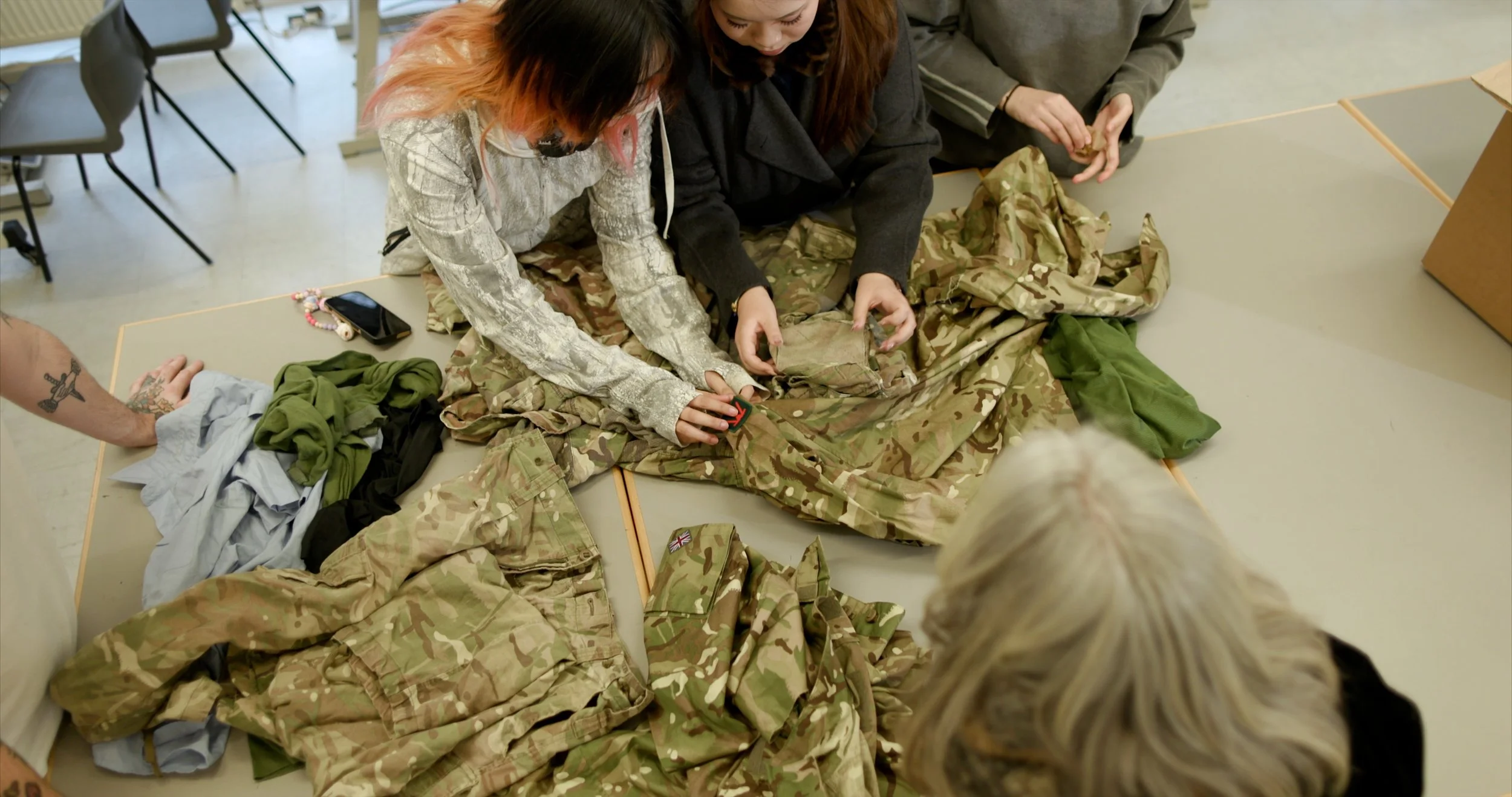
The project brings together a range of partners, including Help for Heroes, the Winchester School of Art at the University of Southampton, and industry specialists such as British Material Unit (BMU). Fashion students work with authentic military materials to create innovative designs, while veterans contribute their experiences and insights, ensuring each piece reflects both sustainability and military heritage.
Beyond reducing textile waste, Operation Upcycle delivers wide social value. The initiative supports veterans through employment, training and storytelling opportunities, helps students develop sustainable design skills, and contributes to the growth of a circular economy. By combining environmental responsibility with education and community impact, Operation Upcycle demonstrates how upcycling can create benefits that extend far beyond fashion alone.
How consumers and organisations can support upcycled fashion
Supporting upcycled fashion does not require a complete change in lifestyle. Upcycle fashion ideas for consumers looking to make a difference include, purchasing upcycled products, repairing existing garments, shopping second-hand and donating unwanted clothing instead of discarding it. Choosing quality garments that can be repaired or redesigned also helps extend product lifecycles.
Organisations can support upcycling by partnering with social enterprises, donating surplus textiles, incorporating circular economy principles into procurement strategies and promoting sustainable consumption among employees and stakeholders. Small actions taken collectively can help reduce textile waste and create demand for more sustainable approaches to fashion.
Conclusion
As concerns about textile waste continue to grow, upcycled fashion offers a practical and creative solution. By extending the life of existing materials, reducing demand for new resources and supporting circular economy principles, upcycling helps tackle some of the fashion industry’s most significant environmental challenges.
Beyond its environmental impact, it can also create social and economic value through skills development, community engagement and local enterprise. Whether adopted by individuals, businesses or large organisations, upcycling demonstrates that waste can become a valuable resource when viewed through a different lens.