
OpUp partners with British Material Unit
Ramco’s Operation Upcycle program reutilises military surplus via reverse engineering of garments through new partnership with British Material Unit
We’re pleased to announce a new partnership for Operation Upcycle with British Material Unit (BMU) and its industrial partner East West Trading to provide specialist expertise within the military surplus and design sectors. With experience spanning procurement, closed-looped distribution networks, garment engineering and the evolving market for defence-derived materials, this partnership connects defence, distribution and design - combining supply chain access with technical garment literacy and a shared commitment to upcycling.
What is British Material Unit?
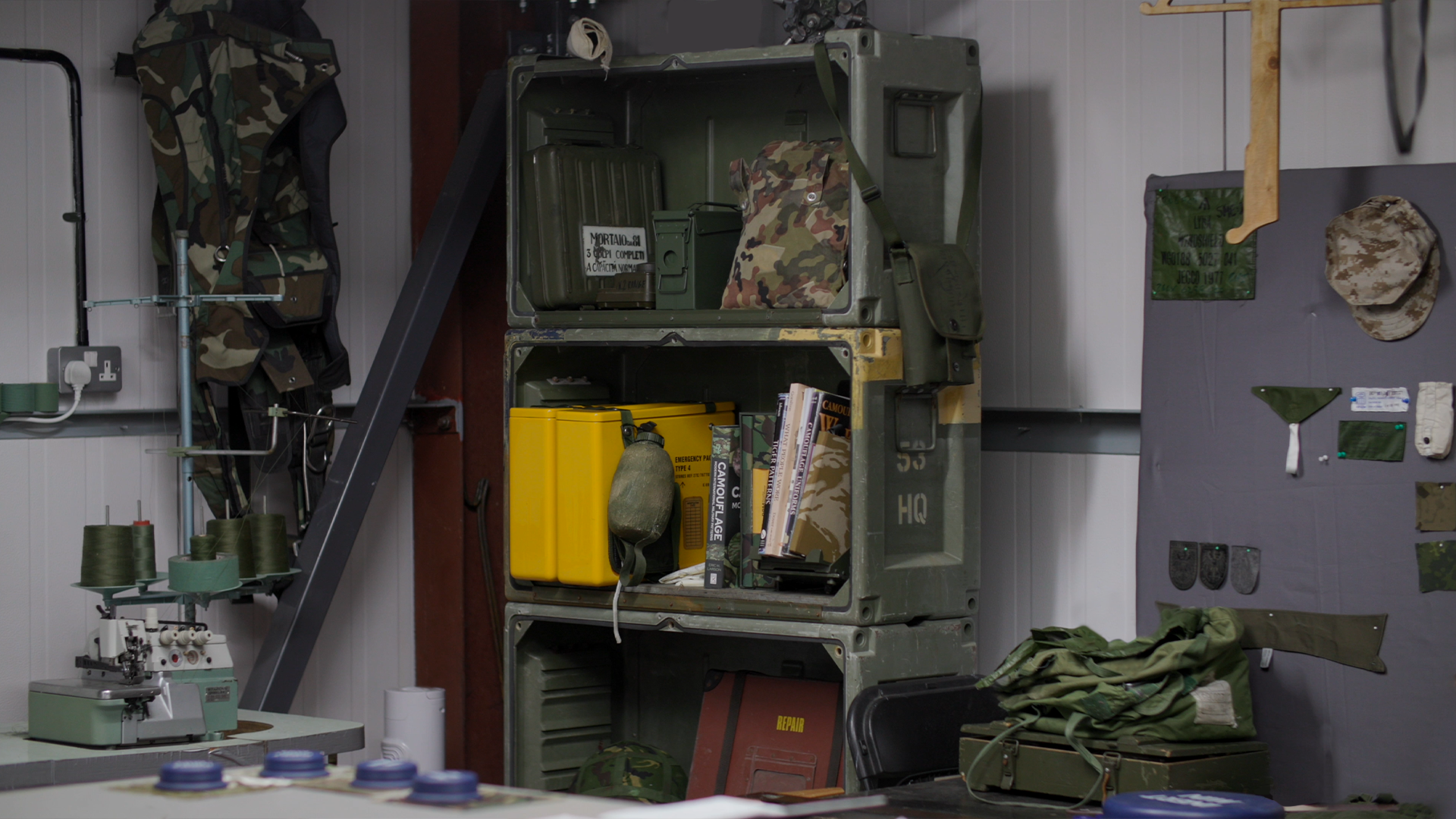
British Material Unit (BMU) is a designer-led startup specialising in strategic surplus textile acquisition, extraction of garment intelligence via reverse engineering and the upcycling of byproducts, utilising their developed design tools, repositories and systems. They supply Britain’s leading designers with military textiles, patterns and intelligence to advance design processes, products and economic models enabling them to reposition waste more effectively within the circular economy.
Military garments are meticulously deconstructed, digitised and archived within BMU’s growing open-source database preserving critical metadata of varying textile assets across different eras of war and modes of combat, amassing connected construction knowledge all in one place. By translating physical garments into digital assets, BMU ensures valuable material intelligence is stored within their repository tailored specifically towards determining specific metrics for effective scalability, modularity and accessibility of textile waste.
Alongside this, their Surplus Supply System (SSS) streamlines access to military surplus across the UK, Europe and the US - ensuring closed-loop supply chains rooted in circularity, ultimately strengthening their mission capabilities of remanufacturing recovered resources and granting designers access to emerging design biases, ideas and methodologies across regions. BMU’s approach shifts surplus from fragmented waste to structured potential: not just something to redesign, but something to systematically understand, interconnect and share.
Tom M.W.D., Founder of BMU, said:
“Designers have an integral role in rethinking our current supply chains end to end, establishing an interoperable design language common amongst all involved. We’re enabling the engineering of garments at the speed of thought, increasing innovation and implementation of new ideas across a complex set of systems. Partnering with Ramco establishes a strong alliance to continue to build a resilient textile circular economy with our national interest at its core.”
About the Partnership
British Material Unit and East West Trading have been brought onboard to provide specialist expertise within the military surplus and design sectors. Their experience spans procurement, closed-loop distribution networks, garment engineering and the evolving market for defence-derived materials.
Together, this partnership connects defence, distribution and design - combining supply chain access with technical garment literacy and a shared commitment to circular economies via textile upcycling.
Social Impact & Systems Thinking
A core element of the collaboration is demonstrating how pattern digitisation advances upcycling from one-off craft into repeatable methodologies. BMU will support the measurement of Operation Upcycle’s material and social impact - extracting vital metadata of assets, including material meterage, allowing Ramco to determine how much of their textile assets are reusable, where deficiencies are created and where future advancement can be made when building sovereign supply chains within defence.
Converting physical garments into digital assets allows existing design components to become scalable and production-ready, reducing waste from sampling during research and development, whilst preserving embedded material and garment intelligence. This measurability of data will help identify weak points in life cycles of newly produced or existing products, assuring surplus sold to secondary markets are commercially viable rather than liabilities. Thus, increasing traceability and accountability.
Andy Baker, Managing Director at East West Trading, said:
“This partnership reflects a shared belief that circular design must be both creative and commercially viable. By combining material access, digital preservation and education, we are building a system that supports emerging designers while advancing responsible production models.”
University Workshop: Deconstruction in Practice
On Monday 2nd March, British Material Unit, supported by East West Trading, will join Operation Upcycle to deliver a specialist in-depth module for students at Winchester School of Art.
The session forms part of a live brief challenging students to create a commercially viable garment or accessory using surplus materials, combining storytelling with responsible design.
Students will gain hands-on experience in:
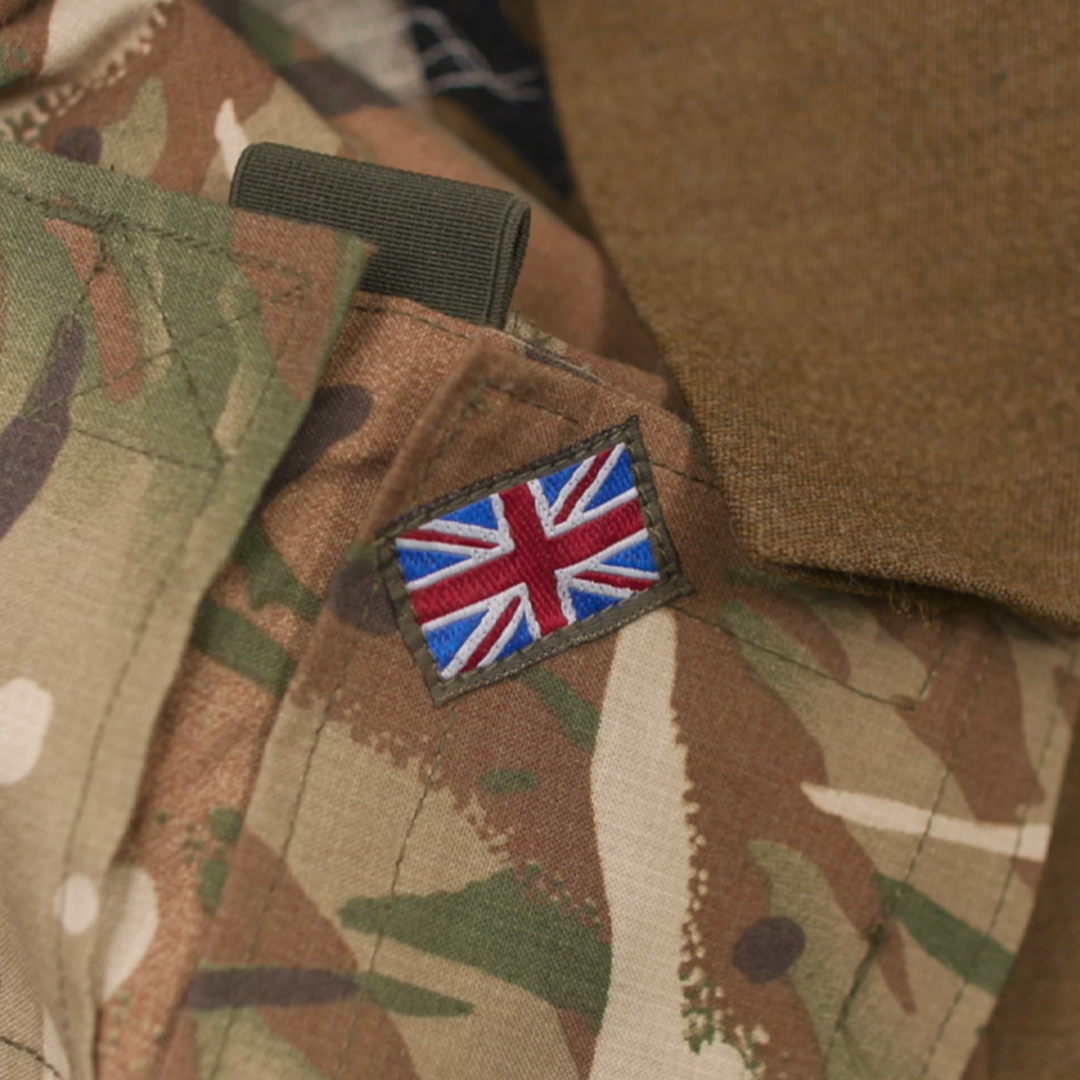
• Deconstructing a military uniform to understand construction and provenance
• Analysing pattern sequences and identifying functional features critical to design
• Researching development of British camouflage with physical and digital artefacts
• Digitising garment patterns for preservation, remanufacturing and adaptation
• Testing emerging technologies enabling cross-referencing of materials and garments
By engaging directly with surplus garments, students will see that upcycling is not simply aesthetic reinterpretation, but a technical process grounded within increasing textile lifecycle, engineering and systems thinking.
Next Steps
This workshop marks the beginning of a deeper collaboration between Operation Upcycle, East West Trading and British Material Unit.
Our shared ambition is to equip emerging designers with the tools, infrastructure and knowledge to bridge craftsmanship and circularity—demonstrating that leveraging of surplus can underpin scalable, future-facing production models adhering to circular economies, changing disposals into a regenerative design model.